Tips For Fixing Water Pressure Loss In Your Shower
Low shower pressure is one of the more frustrating household problems because it rarely fixes itself. What starts as a slightly underwhelming shower can gradually worsen until you are standing under a trickle wondering what changed. The causes range from something as simple as a clogged showerhead to more serious issues like corroding pipes or a mains pressure fault.
This guide walks through the most common causes of water pressure loss, what homeowners can reasonably check themselves and when the situation calls for a licensed plumber.
Common Causes of Low Water Pressure
- Clogged Showerhead: Mineral deposits and debris can accumulate in the small openings of the showerhead over time, restricting water flow and causing weak pressure.
- Faulty Pressure Regulator: A malfunctioning pressure regulator can lead to reduced water pressure. It's responsible for maintaining consistent pressure throughout the plumbing system.
- Plumbing Issues: Leaks, damaged pipes or improper pipe sizing can affect water flow and cause pressure loss. Identifying and addressing these issues is important for restoring proper water pressure.
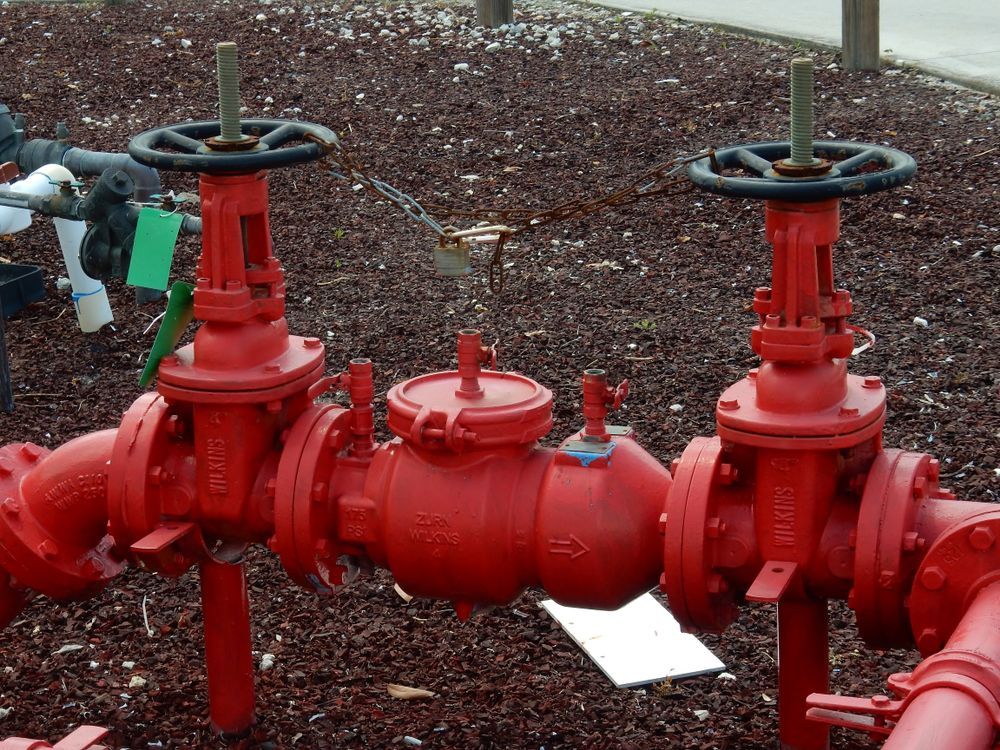
- Partially Closed Isolation Valve: The valve controlling water supply to the shower or bathroom may not be fully open, limiting flow without any obvious sign.
- Pipe Corrosion in Older Homes: Galvanised steel pipes degrade from the inside over time, narrowing the internal diameter and progressively reducing flow.
- Mains Pressure Issues: Low pressure from the supply network affects the whole property, not just one fixture.
DIY Solutions to Improve Water Pressure
- Clean the Showerhead: Remove the showerhead and soak it in a mixture of vinegar and water to dissolve mineral deposits. Scrub gently with a brush to remove debris, rinse thoroughly and reattach it to the shower arm.
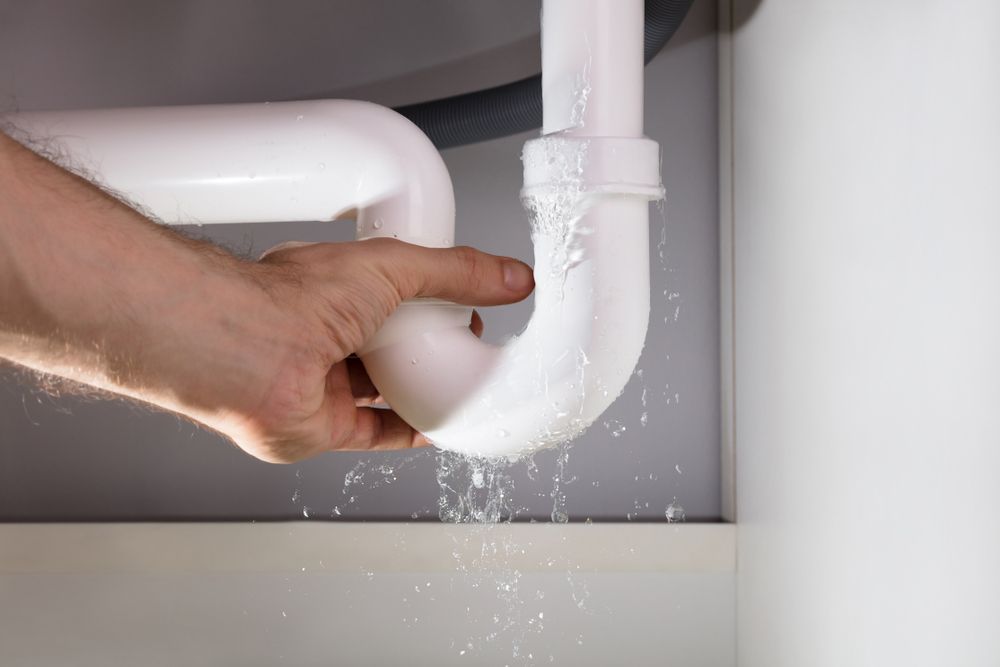
- Check for Leaks: Inspect your shower system for any leaks. Even minor leaks can contribute to low water pressure. Fixing leaks can significantly improve the overall water flow.
- Check Isolation Valves: Locate the shut-off valve for the bathroom or shower and confirm it is fully open; a valve that is only partially open significantly restricts flow.
- Test Other Fixtures: Run a tap elsewhere in the house to determine whether the pressure issue is isolated to the shower or affecting the whole property.
- Invest in a New Shower Head: Sometimes simply upgrading your shower head can fix the problem. Try to find a showerhead that has adjustable settings, so you have better control over your pressure.
Preventive Measures
- Regular Maintenance: Perform regular maintenance by cleaning the showerhead and inspecting the plumbing system for leaks or damage and addressing any issues promptly. This ensures consistent water pressure.
- Using Water-Saving Fixtures: Install water-saving fixtures in your shower to maintain adequate pressure while reducing water consumption. These fixtures improve efficiency and minimise the risk of pressure loss.
- Monitoring Water Pressure: Keep an eye on the water pressure in your shower and throughout your home. If you notice sudden drops or fluctuations, investigate the cause promptly. Early detection helps prevent further problems.
Why Older Grafton Homes Are Particularly Prone to Pressure Loss
Many homes in Grafton and the surrounding Clarence Valley were built during an era when galvanised steel pipe was the standard for internal plumbing. That pipework, now decades old in many properties, corrodes from the inside out. As rust and mineral scale build up along the interior walls of the pipe, the effective diameter narrows and flow rate drops. This process is gradual and often goes unnoticed until pressure loss becomes significant.
Older homes may also have original pressure regulators that have never been serviced or replaced, along with pipe joints and fittings that develop minor leaks over time. If your home is more than 30 years old and you are experiencing ongoing pressure issues, the plumbing infrastructure itself may be contributing to the problem. A licensed plumber can assess the condition of the pipework and advise on whether repairs or a partial reline or replacement is warranted.
When to Call a Professional Plumber
- Persistent Low Water Pressure: If you've tried the DIY solutions without success and the low water pressure problem persists, it's advisable to seek the assistance of a professional plumber. They have the expertise and tools to identify and fix complex issues that may be causing the pressure loss.
- Pressure Regulator: Some showerheads come with flow restrictors that limit water flow to conserve water. If your water pressure is too low, a plumber can modify these restrictors to increase the flow.
- Old Plumbing System: If your home has an older plumbing system that hasn't been updated in years, low water pressure might be a symptom of deeper plumbing problems. Consulting a professional can help you determine if a system upgrade or repairs are necessary.
- Suspected Hidden Leaks: Water escaping inside a wall or under a slab causes structural damage and needs to be located with proper equipment. If you are concerned, the guide on warning signs of hidden water leaks is worth reading before the situation worsens.
- Pressure Loss Across Multiple Fixtures: If low pressure is affecting the whole property rather than just one shower, a failing pressure limiting valve or mains issue may require formal assessment by a licensed plumber.
Frequently Asked Questions
Why do so many Grafton homes have low shower pressure?
Grafton has a significant number of older homes that were plumbed with galvanised steel pipes. Over time these pipes corrode internally, narrowing the diameter and reducing flow to fixtures throughout the house. If your home was built before the 1990s and you have never had the plumbing assessed, ageing pipework is often the first thing worth investigating.
Does Grafton's water supply affect shower pressure?
Mains pressure can vary depending on your location within the Clarence Valley water network and demand at different times of day. If your pressure drops noticeably at peak times such as early morning or evening, the supply network may be a contributing factor. A licensed plumber can test your incoming pressure and advise whether a pressure limiting valve adjustment would help.
Is low shower pressure in a rental property the landlord's responsibility in NSW?
Generally yes. Under NSW tenancy law, landlords are required to maintain rental properties in a reasonable state of repair, which includes functional water pressure. If you are a tenant experiencing persistent low pressure, report it to your landlord or property manager in writing and request it be assessed by a licensed plumber.
How often should Grafton homeowners have their plumbing inspected?
For homes over 20 to 30 years old, a plumbing inspection every few years is a reasonable interval. Given how common galvanised pipework is in older Grafton properties, regular checks help identify corrosion, minor leaks and pressure issues before they develop into more costly problems.
Fix Your Water Pressure Issues Today
Ready to enjoy a revitalising shower with optimal water pressure? Contact Tony Brown Plumbing & Gas Services, your trusted plumbers in Grafton locals rely on. We provide professional, friendly plumbing that covers repairs, fresh installations, servicing, inspection and advice on water conservation. Don't settle for weak showers any longer, get in touch with us today.