Stormwater Drainage Issues Grafton Homeowners Should Know About
Stormwater drainage problems can cause flooded yards, overflowing drains and water pooling around foundations, particularly during heavy rainfall. For homeowners in Grafton and the wider Clarence Valley, understanding how stormwater systems work and recognising early warning signs can help prevent costly property damage. Experienced plumbers Grafton homeowners rely on can inspect and clear underground drainage blockages before they become more serious.
How Does Residential Stormwater Drainage Work in Grafton?
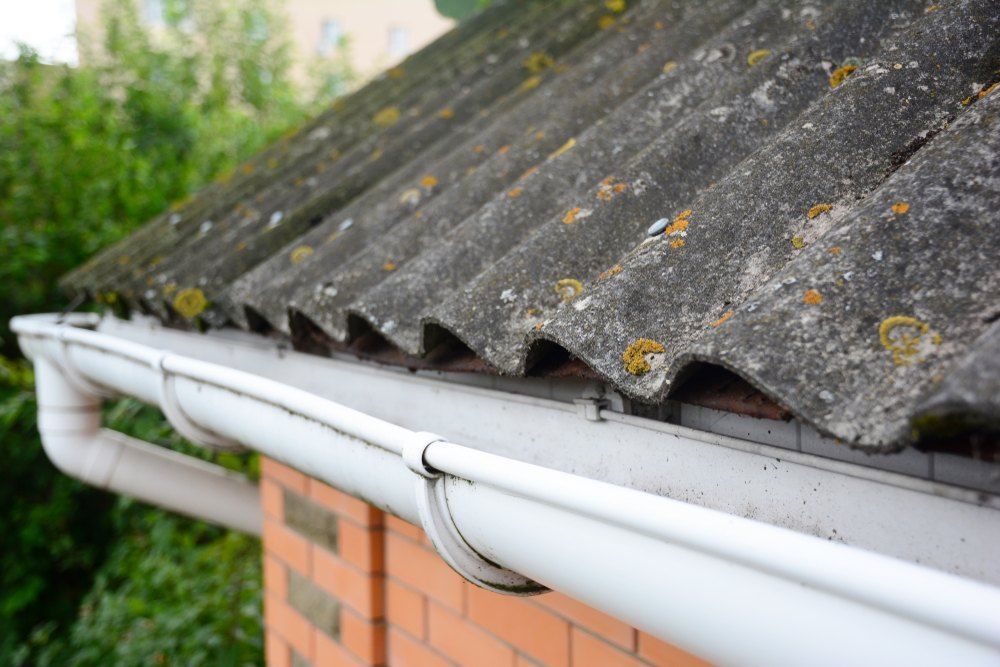
Residential stormwater systems collect rainwater from roofs, gutters, downpipes and paved areas, directing it away from the home through drainage pits and underground pipes.
Unlike household wastewater, stormwater generally travels through a separate drainage network towards an approved discharge point.
A typical residential system includes:
- Gutters and downpipes: Collect rainwater from the roof.
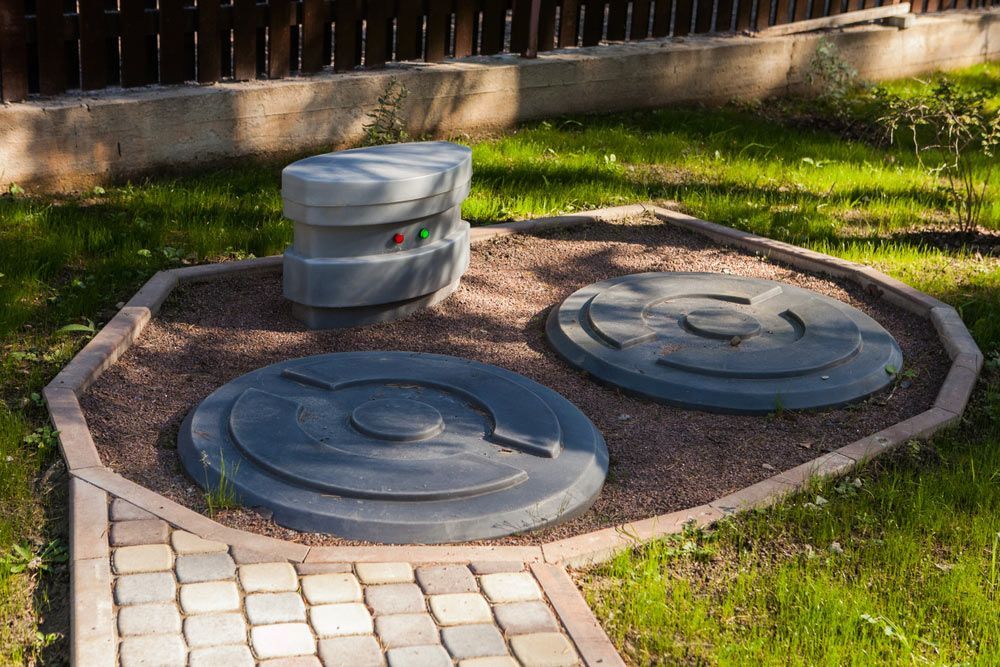
- Stormwater pits and grates: Capture runoff from driveways, patios and low-lying areas.
- Underground pipes: Transport rainwater away from the property.
- Drainage outlets: Direct water towards approved discharge locations.
Grafton's position within the Clarence River catchment makes effective drainage particularly important. During sustained rainfall, saturated ground and elevated downstream water levels can slow drainage and increase the risk of surface flooding.
While extreme weather can overwhelm even well-maintained systems, repeated pooling during moderate rainfall may indicate an underlying drainage problem.
What Are the Most Common Stormwater Drainage Problems in Grafton?
Several issues can affect stormwater drainage Grafton homeowners depend on, including blocked pipes, poorly positioned drainage pits and inadequate pipe gradients.
Why Do Stormwater Drains Become Blocked?
Leaves, dirt, sediment and garden debris can accumulate inside stormwater pipes, restricting water flow. Heavy rainfall often washes additional material into the system, making existing blockages worse.
Tree roots can also enter damaged pipes or vulnerable joints, trapping debris and creating persistent obstructions.
Common causes include:
- Leaves and twigs collecting around drainage grates
- Mud and sediment building up inside pipes
- Tree roots entering underground drainage lines
- Debris becoming trapped at pipe bends
- Obstructions forming near stormwater outlets
A blockage may develop gradually and remain unnoticed until the next significant downpour.
How Do Poor Pipe Gradients Affect Drainage?
Stormwater pipes generally rely on gravity to move water towards an approved outlet. When pipes have insufficient fall, water may drain slowly or remain trapped in sections of the system.
Poor gradients can result from unsuitable installation, ground movement or pipe sections shifting over time.
Standing water inside underground pipes can also encourage sediment accumulation, increasing the likelihood of recurring blockages.
Can Undersized Stormwater Pipes Cause Flooding?
Yes. Pipes that cannot handle the volume of incoming runoff may cause water to back up through drainage pits or overflow onto surrounding areas.
For example, a Grafton homeowner who adds a large paved patio may notice more runoff reaching an existing stormwater pit. If the connected pipe cannot accommodate the additional flow, water may begin pooling during heavy rainfall.
A professional assessment can help determine whether an obstruction or drainage capacity issue is contributing to the problem.
What Are the Warning Signs of a Blocked Stormwater Drain?
A blocked stormwater drain Grafton homeowners encounter may produce several warning signs before serious flooding occurs.
Why Is Water Pooling Around the Yard?
Persistent puddles around lawns, pathways and driveways can indicate that stormwater is not draining effectively.
Some pooling is normal during exceptionally heavy rainfall. However, water that repeatedly collects in the same location or remains long after rain stops deserves attention.
If a drainage pit regularly overflows while surrounding areas drain normally, an underground blockage may be restricting water flow.
Why Is Water Collecting Near House Foundations?
Water pooling around external walls and foundations is particularly concerning.
Prolonged moisture exposure can contribute to soil erosion, dampness and potential foundation problems, depending on the property's construction and ground conditions.
Watch for recurring puddles beside the house, soil washing away near walls or damp patches appearing after rainfall.
What Does an Overflowing Stormwater Pit Mean?
An overflowing pit often indicates that water cannot move through the connected drainage system quickly enough.
Possible causes include downstream blockages, accumulated sediment, insufficient pipe capacity or elevated water levels at the outlet.
If overflowing occurs regularly during moderate rainfall, a professional drainage inspection can help identify the cause.
How Can Professional Plumbers Inspect and Clear Blocked Stormwater Drains?
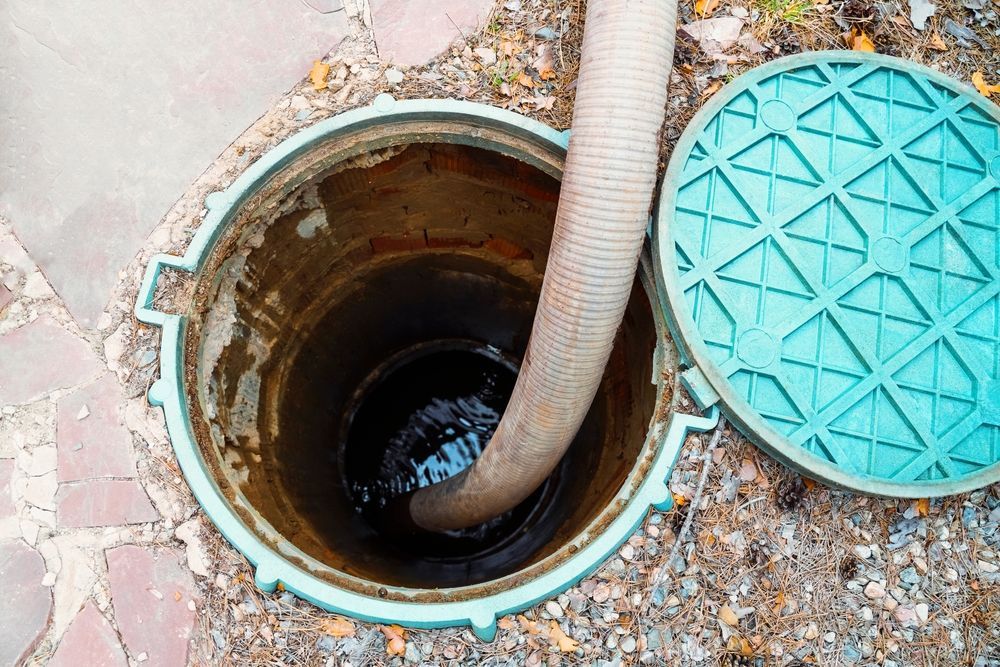
Professional plumbers use specialised equipment to locate underground obstructions and restore drainage flow where blockages are responsible.
Tony Brown Plumbing & Gas Services provides inspection and clearing services for
blocked stormwater drains, using drain cameras, hydro jets and electric eel equipment.
How Do Drain Cameras Locate Blockages?
Drain cameras allow plumbers to inspect accessible underground pipes and identify visible obstructions.
Camera inspections can reveal accumulated debris, tree root intrusion and signs of pipe damage, helping determine the most appropriate next step.
How Does Hydro Jetting Clear Stormwater Drains?
Hydro jetting uses high-pressure water to dislodge and flush debris, sediment and certain obstructions from drainage pipes.
This method can be particularly useful for clearing accumulated dirt and organic material. Plumbers assess pipe conditions before determining whether hydro jetting is suitable.
When Is an Electric Eel Used?
An electric eel uses a motorised rotating cable with suitable attachments to break through certain stubborn blockages.
The appropriate clearing method depends on the obstruction, pipe material and drainage condition.
Importantly, clearing a blockage will not necessarily resolve problems caused by inadequate pipe gradients, insufficient capacity or structural damage.
Who Is Responsible for Stormwater Drainage in Grafton?
Stormwater drainage responsibility generally depends on whether the infrastructure belongs to a private property owner or forms part of the public drainage network.
What Is the Homeowner Responsible For?
Homeowners are typically responsible for maintaining private stormwater infrastructure, including:
- Roof gutters and downpipes
- Private underground stormwater pipes
- Drainage pits and grates within their property
- Approved private stormwater connections
Property owners should also ensure their drainage arrangements do not unlawfully direct concentrated runoff onto neighbouring properties.
When Should You Contact Clarence Valley Council?
Clarence Valley Council is generally responsible for relevant public stormwater infrastructure, including council-managed drainage assets.
However, ownership and maintenance responsibilities can vary depending on easements, property boundaries and drainage connections.
If you suspect a blockage involves public infrastructure, contact the council for clarification. A licensed plumber can help investigate accessible private drainage lines.
How Can Grafton Homeowners Prevent Stormwater Drainage Problems?
According to industry best practice, regular maintenance and early attention to warning signs can reduce preventable drainage blockages.
Homeowners can take several practical precautions:
- Clear accessible surface grates. Remove leaves and loose garden debris when conditions are safe.
- Monitor drainage after rainfall. Look for recurring puddles, overflowing pits and unusually slow drainage.
- Keep garden waste away from drains. Prevent soil, mulch and grass clippings from entering stormwater collection points.
- Watch for changes after landscaping. New paving or altered ground levels can redirect runoff.
- Arrange professional inspections for recurring problems. Repeated blockages may indicate deeper underground obstructions.
Avoid entering drainage pits or attempting to clear underground pipes with improvised tools. Never inspect drainage infrastructure during flooding or where electrical hazards may exist.
Roof drainage also contributes to effective stormwater management. Learn more about
24/7 roof plumbing & emergency leak response if overflowing gutters or roof leaks are affecting your property.
When Should You Call a Plumber for Stormwater Drainage Problems?
Contact a licensed plumber when stormwater repeatedly overflows, drains slowly or accumulates near your home's foundations.
Recurring drainage problems Grafton homeowners experience may indicate underground blockages that require specialised inspection equipment.
Tony Brown Plumbing & Gas Services offers plumbing services Grafton residents can access for blocked drain inspection and clearing, using drain cameras, hydro jets and electric eels where appropriate.
The key takeaway is that recurring stormwater flooding should not be ignored. Identifying whether the problem involves a blockage, poor drainage fall or insufficient capacity helps determine the appropriate next step.
If you're experiencing overflowing drains, persistent yard flooding or water pooling around your home, Tony Brown Plumbing & Gas Services can help investigate potential underground blockages. For assistance from an experienced plumber Grafton NSW homeowners can rely on, contact our team to discuss your drainage concerns.
Frequently Asked Questions About Stormwater Drainage in Grafton
What causes stormwater drains to block during heavy rain?
Heavy rainfall washes leaves, sediment and garden debris into drainage pits and underground pipes. These materials can accumulate around existing obstructions, restricting water flow and causing drains to overflow.
How do I know if my underground stormwater drain is blocked?
Common signs include overflowing pits, persistent yard flooding and water draining unusually slowly. A professional drain camera inspection can help locate underground obstructions.
Can blocked stormwater drains damage house foundations?
Yes. Persistent water accumulation around foundations can contribute to soil erosion, dampness and structural concerns. The potential impact depends on ground conditions, building construction and the duration of moisture exposure.
Is the homeowner or council responsible for stormwater drains?
Homeowners generally maintain private drainage systems, while councils manage relevant public infrastructure. Responsibility can vary depending on ownership, easements and connection arrangements.
Can plumbers remove tree roots from stormwater pipes?
Plumbers can use suitable drain-clearing equipment, including hydro jets and electric eels, to remove certain root obstructions. However, damaged pipes may allow roots to return, requiring further assessment.