How To Know When Your Septic System Needs Replacing
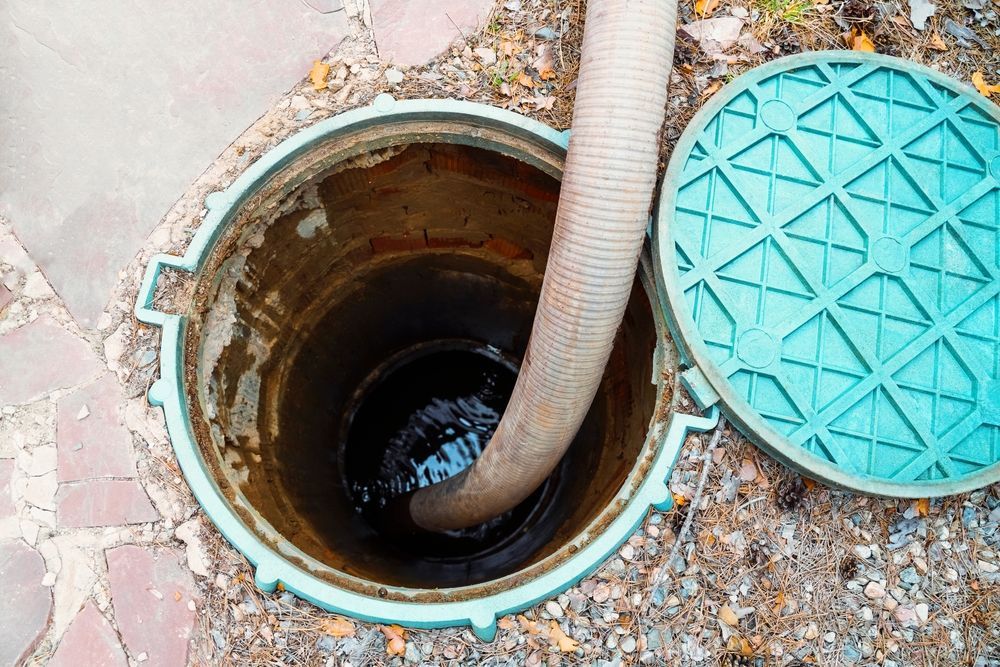
A septic system is built to last, but it will not work forever. Age, ground movement, tree roots and heavy use can all lead to failure over time. When problems start, they often worsen quickly. Ignoring the warning signs can lead to property damage, health risks and costly repairs.
For property owners in Grafton, early action matters. A failing septic system can affect your home, your land and your water supply. Knowing what to look for can help you avoid major disruption and make informed decisions about septic tank replacement.
Why Septic Systems Fail
Every septic system handles waste and wastewater from the property. Over time, the tank and drainage area wear down. Some systems last decades. Others fail much sooner due to poor maintenance or unsuitable soil conditions.
Common causes of septic system failure include:
- Old or damaged tanks
- Cracked pipes
- Tree root intrusion
- Drainage field saturation
- Poor installation
- Excessive water use
- Lack of regular pumping and servicing
- Heavy rain and flooding
Properties in and around Grafton can also face challenges from changing soil conditions and high groundwater levels. These factors place extra pressure on ageing systems.
Signs Your Septic System May Need Replacing
Small issues can often be repaired. However, repeated problems usually point to a larger system failure. If several warning signs appear together, replacement may be the safer long-term option.
Slow Drains Throughout the Property
A single blocked drain is common. Multiple slow drains across the home are different.
If sinks, showers and toilets all drain slowly, the septic system may no longer process wastewater properly. This can indicate:
- A full or collapsed tank
- Blocked pipes
- Drainage field failure
- System overload
Frequent plunging or drain cleaning will not fix a failing septic system.
Bad Smells Around the Tank or Yard
Strong sewage odours are one of the clearest warning signs.
You may notice smells:
- Near the septic tank
- Around outdoor drains
- Across wet sections of the yard
- Inside the home
Persistent odours often mean untreated wastewater is escaping from the system. This can create health hazards and contaminate surrounding soil.
Pooling Water in the Yard
Wet ground near the septic tank or drainage area should never be ignored.
Standing water may appear after rain, but if the ground remains soggy during dry weather, the system may be failing underground.
Signs include:
- Muddy patches
- Bright green grass over the drainage area
- Water pooling above buried pipes
- Soft ground underfoot
These symptoms often point to a saturated or collapsed drain field.
Sewage Backing Up Indoors
Wastewater backing up into sinks, toilets or showers is a serious problem.
This usually means the septic tank is full or the system can no longer process waste effectively. Backups can damage flooring, walls and plumbing fixtures.
If sewage enters the home more than once, a full inspection is strongly recommended.
The Impact of an Ageing Septic System
Many older septic systems in Grafton were installed decades ago. Materials break down over time. Concrete tanks crack. Steel tanks rust. Pipes shift and collapse.
An ageing system may still function in part, but performance often declines gradually. Property owners may notice:
- Frequent plumbing issues
- Higher maintenance costs
- Ongoing unpleasant smells
- Wet ground after normal water use
- Reduced drainage performance
At a certain point, ongoing repairs stop making financial sense. Replacing the system can prevent repeated emergency call-outs and larger repair costs later.
When Repairs Are No Longer Enough
Not every septic issue requires full replacement. Some faults can be repaired if caught early. However, replacement is often the better choice when:
- The system is more than 25 to 30 years old
- Major cracks or structural damage are present
- The drain field has failed
- Sewage leaks continue after repairs
- The tank no longer meets current standards
- Repairs are becoming frequent and expensive
A professional assessment helps determine whether repair or replacement is the most practical solution.
Experienced plumbers in Grafton can inspect the system, identify hidden damage and explain the safest next step.
Risks of Delaying Septic Tank Replacement
Delaying replacement can create much larger problems over time.
A failing septic system may lead to:
- Property damage
- Ground contamination
- Health risks from bacteria exposure
- Damage to nearby waterways
- Increased repair expenses
- Council compliance issues
Ignoring the warning signs also places strain on the plumbing system inside the property. What starts as slow drainage can eventually become a complete system breakdown.
Fast action reduces disruption and protects the value of the property.
What Happens During Septic Tank Replacement
Replacing a septic system involves more than swapping one tank for another. The full system must be assessed to ensure it suits the property size, soil conditions and wastewater demand.
The process generally includes:
Site Inspection
A licensed plumber inspects the existing system and assesses:
- Tank condition
- Pipework
- Drainage area
- Soil performance
- Water flow and usage
System Design
The replacement system must comply with current regulations and suit the property layout.
Factors considered include:
- Household size
- Land slope
- Soil absorption
- Tank capacity
- Environmental requirements
Installation
Old components may be removed or decommissioned before the new system is installed. The work can include:
- New septic tanks
- Updated pipework
- Drainage trenches
- Pump systems where required
Final Testing
Once installed, the system is tested to confirm safe operation and proper wastewater flow.
Professional installation is essential. Poor workmanship can lead to early failure and expensive future repairs.
How to Extend the Life of a New Septic System
A new system still needs ongoing care. Proper maintenance helps reduce wear and lowers the risk of future failure.
Simple ways to protect your septic system include:
- Schedule regular pumping
- Fix leaking taps and toilets quickly
- Avoid flushing wipes or sanitary products
- Limit grease and oils entering drains
- Keep vehicles off the drainage area
- Manage tree root growth near pipes
- Spread out heavy water use where possible
Routine inspections also help identify small problems before they become major repairs.
Professional Septic Services in Grafton
Septic issues should never be left to guesswork. Professional inspections can identify whether the system can be repaired or whether replacement is the safer option.
Qualified plumbers in Grafton understand local conditions and can recommend systems suited to the property and surrounding environment.
A proper assessment provides clear answers and helps avoid unnecessary costs.
Arrange a Septic System Inspection
If your property is showing signs of septic failure, early action can prevent larger problems. Tony Brown Plumbing provides septic inspections, repairs and septic tank replacement services for property owners in Grafton and surrounding areas.
Whether the issue is recurring drainage problems, sewage odours or an ageing tank, professional advice can help protect your property and restore reliable wastewater management.
Contact Tony Brown Plumbing to arrange an inspection and discuss the right solution for your septic system.