How To Look After Your Septic System: A Maintenance Guide For Grafton Homeowners
Looking after a septic system comes down to two things: what goes into it and how much water goes in at once. Get those right consistently, and a well-installed system in the Clarence Valley should give you decades of reliable service. Get them wrong, and the problems usually show up in the drain field long before anyone realises the system is under stress.
Septic Maintenance in Grafton: The Short Answer
Protect the bacteria in the tank, avoid hydraulically overloading the trenches, and keep stormwater away from the drain field. Most septic problems Tony Brown Plumbing attends in the Grafton area trace back to one of these three failures — usually over years rather than weeks.
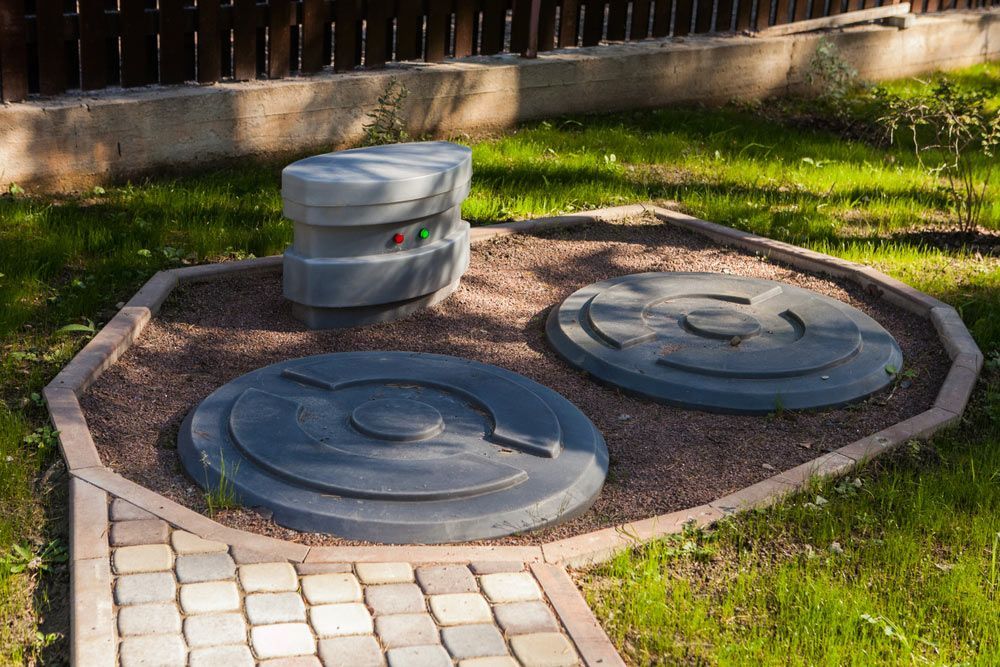
A septic system has two components. The tank settles and separates wastewater — solids sink to form the sludge layer, fats float to form the scum layer, and clarified liquid (effluent) flows out to the absorption trenches. The trenches disperse that effluent slowly into the surrounding soil. Most failures happen in the trenches, not the tank. Everything in this guide is aimed at preventing that.
What Should You Never Put Down a Septic System?
The tank relies on a living community of bacteria to break down waste. Anything that kills those bacteria or does not break down creates a problem that compounds over time. Things that should never enter a septic system:
- Wet wipes and "flushable" wipes: these do not break down and accumulate against the outlet baffle
- Cooking fats, oils and grease: these solidify and form a thick scum layer that reduces tank capacity over time
- Bleach and heavy antibacterial cleaners: regular use kills the bacterial community the tank depends on
- Nappies, sanitary products and cotton buds: these accumulate without breaking down
- Medications, solvents and chemicals: these do not belong in any wastewater system
A useful mental test: if it is not human waste, plain toilet paper or water, it should not go down the toilet or sink. This is a habit adjustment rather than an expensive fix, and it makes a measurable difference to system lifespan.
How Often Should a Septic System Be Professionally Checked?
The appropriate inspection frequency depends on tank size relative to household demand, the age of the system, and whether there have been signs of reduced performance. What can be said clearly is that routine professional checks are consistently cheaper than the repairs they prevent.
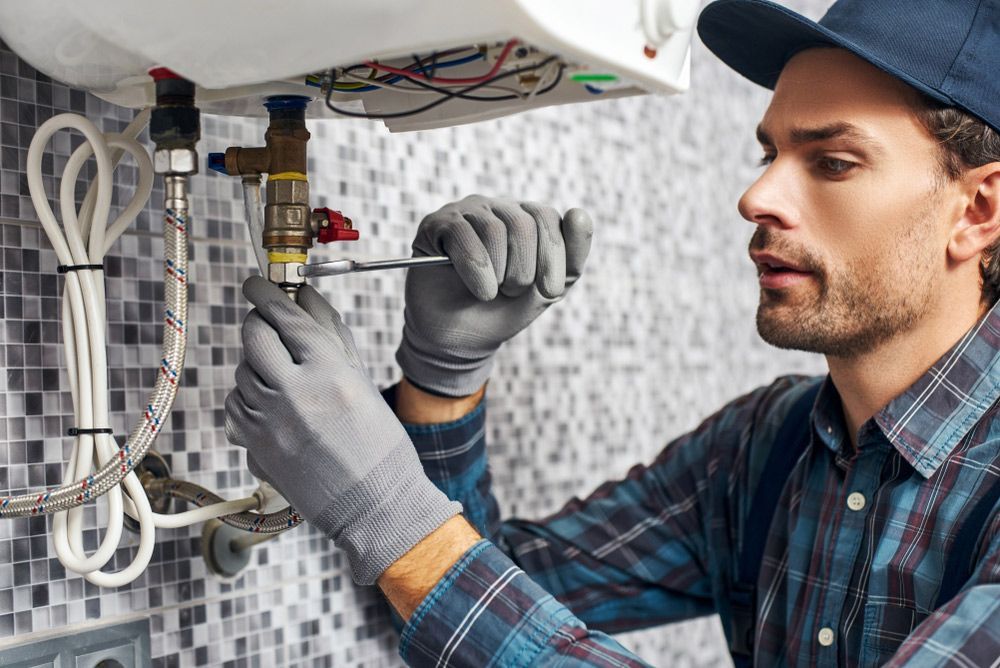
A licensed plumber inspecting a septic system can check the inlet and outlet baffles, assess the sludge and scum layers, look for signs of effluent surfacing near the trenches, and identify developing problems while they are still manageable.
In NSW, any installation, alteration or replacement of an on-site sewage management system requires Section 68 approval from Clarence Valley Council and must be carried out by a licensed plumber. This applies to both new systems and modifications to existing ones.
Our team handles the full range of
septic systems Grafton properties depend on, from maintenance through to repairs and replacement.
Why Does My Septic Tank Smell or Drain Slowly?
Odour and slow drains prompt most septic-related calls. They have different causes, and sometimes the fix is a habit change rather than a professional callout.
Odour from the system can indicate:
- Excessive sludge or scum build-up in the tank
- A baffle that has failed or is blocked
- The drain field is saturated and effluent is surfacing — the more serious cause
Slow drains throughout the house often indicate the drain field is struggling to accept effluent at the rate it is being produced. This can be short-term hydraulic overload or a longer-term trench problem.
A slow drain from a single fixture is more likely a standard blockage in the internal plumbing, not a septic system issue.
Habit-based fixes worth trying first: stop running multiple laundry loads back-to-back, spread dishwasher use across the day, and reduce antibacterial product use for a week or two to allow the bacterial balance in the tank to recover. If the problem persists, a professional inspection is the appropriate next step.
How Does Clarence Valley Rain Affect Your Septic System?
This is the local condition most generic septic guides miss entirely, and it catches many Grafton-area homeowners off guard.
Clarence Valley soils are predominantly heavy clay and floodplain soils with poor drainage. After prolonged rain — particularly the extended East Coast Low events the valley sees in winter and spring — the soil surrounding the absorption trenches becomes saturated. Saturated soil cannot accept effluent, and the system backs up.
The critical detail: symptoms often appear days after the rain, not during it. The soil remains saturated long after the rain stops, and the system stays under stress during the recovery period.
What this means in practice:
- During and after extended wet periods, reduce water use into the system — shorter showers, fewer loads of laundry, less non-essential water down the drain
- Ensure roof runoff and stormwater from hard surfaces is diverted well away from the drain field area
- Do not park vehicles or store machinery over the trenches — compaction of the soil above reduces absorption capacity and is difficult to reverse
- Soggy ground or ponding over the trench area that does not resolve within a week of dry weather warrants a professional assessment
When Should You Call a Licensed Plumber — and When Is It a Replacement?
Call the plumbers Grafton homeowners rely on when:
- Odour or slow drains persist after habit adjustments
- Soggy ground or lush green patches appear over the drain field outside of wet weather
- Any fixtures are backing up rather than just draining slowly
- The system has not had a professional inspection in several years
The honest trade-off: if problems are becoming a regular occurrence — a callout every year or two for the same system — it is worth assessing whether ongoing repairs are still cost-effective. If repairs are becoming a yearly event, read the signs your septic system needs replacing before spending more on patch-up work.
Not sure whether the smell is a habit problem or a system problem? Get in touch and the team will take a look.
FAQs
How often should a septic tank be serviced?
The right frequency depends on tank size, household size and system condition. A professional inspection is the starting point — the team can advise on an appropriate schedule after assessing the system directly.
Can heavy rain cause a septic system to overflow?
Yes, particularly in the Clarence Valley where clay soils retain saturation long after rain stops. Reducing water use during and after wet periods, and keeping stormwater away from the drain field, are the most effective responses.
What should you never flush into a septic system?
Wet wipes, cooking fats, bleach and antibacterial cleaners, medications and sanitary products. The simpler the household products going into the system, the better it performs long-term.
Do I need council approval for septic work in Grafton?
Yes. Any installation, alteration or replacement requires Section 68 approval from Clarence Valley Council and must be carried out by a licensed plumber.
Book a Septic Inspection in Grafton
If your system is overdue for a check-up, or any of the warning signs above sound familiar, a professional inspection is the low-cost first step. Tony Brown Plumbing provides septic system inspections, maintenance and repairs for unsewered properties across Grafton and the wider Clarence Valley.
Contact us to arrange an inspection before a developing problem becomes a trench replacement.